
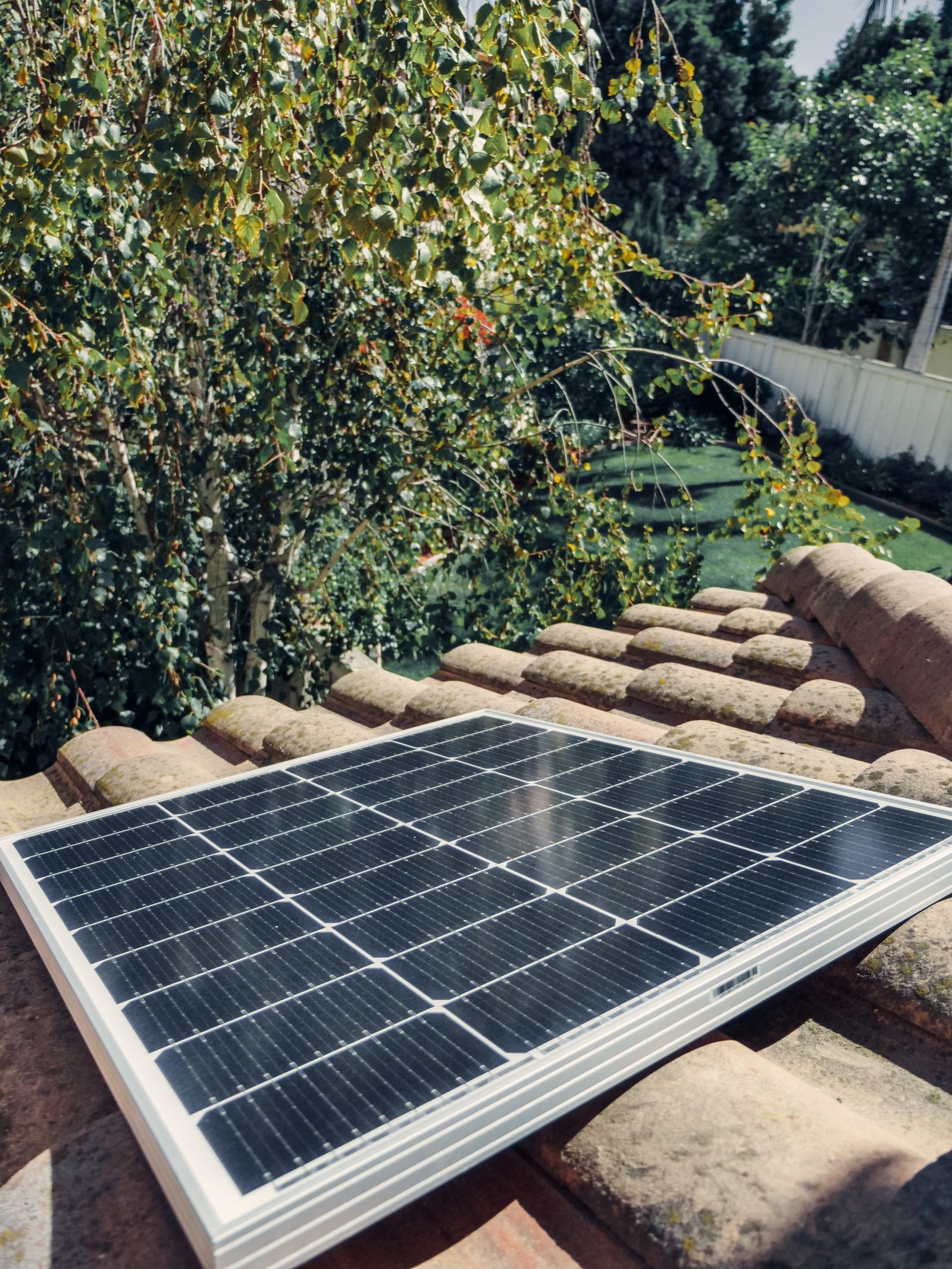
In Lagos, a generator can feel like part of the household. You hear it start when the power goes out. You budget for fuel. You remember the last servicing. You find yourself deciding whether to run it for one more hour or switch everything off and hope the grid returns. Solar promises a different experience, but it also comes with a cost, equipment choices and realistic limitations.
So is solar actually worth it for a household or small business in Ajah, Lekki or elsewhere in Lagos? The only useful answer compares your own electricity demand and expenses with the type of system you would genuinely need. A dramatic “save millions instantly” claim is not a proper financial plan. This guide shows you how to compare options sensibly, including the hidden costs that many buying decisions overlook.
First, admit what your generator already costs you
Most people remember how much they paid for the generator. Fewer know what it costs to keep running month after month. Fuel is the obvious expense, but it is only part of the picture. There is engine oil, routine servicing, repairs, plugs or filters for suitable generator types, transportation, and occasional replacement of parts. There is also the time spent buying fuel, handling maintenance or arranging repairs when you should be doing something else.
Start a simple log for four weeks. Record how much fuel you purchase, what you spend on servicing and repairs, and approximately how many hours you use the generator each day. If you already keep business records, you can review three or six months instead. Try to separate household use from business use where possible. Without a baseline, it is easy to believe that fuel costs “about something” and impossible to verify a promised saving later.
Then include the costs you cannot easily put on a receipt. Noise can disrupt sleep, calls and conversations. Fumes and exhaust demand careful, safe outdoor placement. Generator breakdowns may affect stock, meetings, classes or customer service. These are not just inconveniences; they influence how you want to live and work.
Add your grid electricity bill to the comparison
Solar does not have to replace every other source of electricity. Many Nigerian homes use a hybrid system that draws on the sun when available, stores some energy in batteries and uses grid power when it is available and beneficial. Your current grid bill therefore belongs in the calculation, alongside generator expenses. Look at actual bills, meter records and usage patterns rather than relying on a neighbour's figure.
Your tariff, metering arrangement, supply quality and consumption can change over time. A household using high-demand appliances heavily will need a different strategy from an apartment that mainly runs lights, fans and electronics. Some people have reliable grid electricity for significant periods but dislike the unpredictable outages. Others use a generator every evening. Their solar economics will be different, even if they live on the same street.
Write down what you pay and, equally importantly, what electricity you are buying. Is your generator carrying air conditioning, or are you using it only for internet and television? Do you run it for four hours or twelve? Those details shape the type of solar system that could reduce its workload.
Try a simple annual spending calculation
You do not need special software to get a useful first estimate. Suppose, purely as an illustration, a household spends ₦10,000 per week on fuel. Fifty-two weeks of that pattern would be ₦520,000 before servicing and repairs. If the same household also pays for grid electricity, it must include those bills separately. This is a demonstration of the calculation, not a claim about typical Lagos fuel spending or a prediction of your savings.
Next, ask what portion of your present generator use a proposed solar system can realistically replace. A small essentials-focused system may reduce generator hours without running high-load appliances. A larger solar and battery arrangement may cover more evening use. The percentage will depend on load, array output, battery size, weather, grid availability and the owner's habits. Request a written estimate based on the same baseline you created.
For a rough comparison, multiply your estimated yearly expenses by several years, then compare that with the system purchase, installation, maintenance and likely component replacement costs. Remember that energy prices can change, and forecasts are not guaranteed.
Calculate the full solar price, not just the panel price
When someone says a solar installation costs a certain amount, ask exactly what the figure includes. The panels are often the most visible component, but the whole system may also require an inverter, battery storage, mounting rails, wiring, protective devices, an upgraded distribution board, labour, testing and commissioning. Some installations need roof work or extra cable runs because of the building layout.
Battery chemistry and usable capacity can have a major influence on the quote. There can also be differences in product warranties, expected service support and system monitoring. Two systems with a similar advertised kVA rating are not necessarily equivalent. A low initial quote may leave out battery capacity, proper protections or an important part of the installation. Conversely, the most expensive system is not automatically the best fit.
Request an itemised proposal. Ask whether transport, installation materials, inspection, configuration, training and taxes are included. Find out what is not included, too. A fair comparison requires the same scope on both sides.
Understand that panels, batteries and inverters do different jobs
Solar panels generate electricity when sunlight is available. Batteries store some energy for later use. The inverter helps manage the flow of energy and makes it suitable for typical household appliances. This distinction matters financially: if your main electricity use is in daytime, panels can be especially helpful. If you rely on heavy appliances through the night, batteries can become a much larger part of the cost.
A shop that operates from 9am to 6pm may be able to use a good share of solar generation directly during opening hours. A family that is away all day but runs fans, AC and entertainment at night has a different demand curve. An installer should ask not only “what do you use?” but “when do you use it?” A system designed around timing is more useful than one sold from a fixed product list.
Also understand the limits of backup. A battery will eventually discharge if the household continues consuming electricity without enough solar or grid input. Realistic load management remains part of a good solar experience.
Ask what happens during the rainy season
One common objection in Lagos is that solar panels stop working whenever it rains. That is not accurate. Panels can still produce electricity under cloudy daylight, but output is generally lower than in bright, unobstructed sunlight. Long periods of heavy clouds may reduce the energy available to recharge batteries. It is sensible to discuss the rainy season before purchasing, not after the first dull week.
A good design can accommodate changing conditions using appropriate panel capacity, battery autonomy, hybrid charging options and a clear understanding of which loads take priority. You might keep the grid connected or retain a generator as occasional backup, especially where supply reliability is critical. That can still reduce generator running time significantly compared with a generator-only routine, but the actual outcome depends on your circumstances.
Ask for a plain-English explanation of what the system does on a sunny day, a cloudy day and after two unusually poor days. If the answer sounds identical in all three situations, ask more questions.
Compare comfort and convenience, not only naira
Some benefits of solar are harder to express on a spreadsheet. A well-planned system can keep your Wi-Fi operating during an outage, reduce the need for noisy generator starts and allow lights and fans to continue running without a dramatic changeover routine. This matters if you work from home, care for children, study in the evening or depend on a stable internet connection.
Generator noise can be particularly unpleasant when houses sit close together, as they often do in parts of Ajah and Lekki. Less time spent buying fuel or arranging a mechanic also has value. A small business owner may prefer a predictable workday even if the financial payback is not immediate. These benefits should inform your decision, but they should not be used to excuse poor equipment selection or unrealistic savings figures.
At the same time, solar hardware is not maintenance-free. Panels need periodic inspection and cleaning when appropriate. Batteries, inverters and protection systems should be installed and checked according to the manufacturer's requirements. Peace of mind comes from both design and ongoing support.
Solar can be phased instead of bought all at once
If a full-house installation is out of reach, prioritise what actually improves daily life. A first stage might cover lighting, fans, laptops, internet and selected sockets. Later stages may add panel or battery capacity if the architecture supports expansion. Phasing can keep initial spending manageable while giving you experience with your real usage patterns.
However, “upgrade later” needs to be designed properly. Batteries can have restrictions on combining different models or ages. An inverter may have limited solar input or charging capability. Cable routing and protection may need to change when capacity increases. Tell the installer what you might want to add in the next few years and ask what those additions would require.
Be wary of plans based on buying a low-cost package today and hoping any random component will connect in the future. A documented expansion plan is much more valuable than an informal promise.
Safety and after-sales service affect long-term value
Solar should not be treated as a collection of boxes to be connected by whoever is cheapest. Poor wiring, incorrect cable sizing, inadequate isolation, bad earthing or unsuitable installation locations can create serious hazards. For a roof-mounted system, correct mounting and weather protection also matter. Ask about installer competence, protective equipment, commissioning tests and documentation.
Service availability matters financially too. A system that is difficult to repair can be frustrating even when the initial hardware looks impressive. Before paying, verify warranties for the inverter, panels and batteries. Ask who handles claims, how repairs are diagnosed and whether spare parts are realistically available. Make sure you receive model numbers, serial numbers, manuals and a handover explanation.
For businesses that depend heavily on electricity, ask about monitoring and response arrangements. A practical support plan can matter as much as a small difference in the initial price.
What about selling excess solar energy to the grid?
You may have seen headlines about new frameworks for feeding renewable electricity into Nigerian distribution networks. Those policies are worth following, but do not assume that an ordinary rooftop system in Ajah will automatically earn money by exporting power. Eligibility, minimum capacity, technical approvals, metering, distribution arrangements and implementation details matter. Rules also vary by applicable market arrangements.
For most households considering a first installation, the clearest financial case is based on electricity you can use directly, generator runtime you can avoid and resilience you genuinely need. Treat export revenue as a specialised subject requiring current regulatory and distributor confirmation, not as a guaranteed bonus in a sales pitch. For the latest framework, refer to the Nigerian Electricity Regulatory Commission and confirm applicable Lagos requirements with a qualified provider.
A proposal that promises quick payback solely because you will sell energy back should be examined very carefully. The first benefit you can control is how you use your own electricity.
Build a comparison sheet with three possible futures
Here is a useful exercise. Create three columns: keep the present grid-and-generator routine, install a solar system for essentials, and install a broader hybrid system. In the first row, add estimated upfront cost. In the second, add monthly grid and fuel expenditure. Then record service costs, expected component maintenance, loads supported, hours of backup and anything that remains uncertain.
Your spreadsheet will not predict every future electricity price, but it will expose assumptions. You may discover that an essentials setup solves eighty percent of your daily frustration at a much lower cost than trying to back up every appliance. Or a larger design may be justified because your business loses revenue whenever electricity fails. Neither conclusion should be assumed before collecting data.
Ask each installer to use the same appliance list and usage schedule. Comparing differently sized solutions without recognising the differences is a recipe for confusion.
When solar is a strong fit, and when to reconsider
Solar is often worth serious consideration when you have regular daylight access, meaningful daytime electricity demand, expensive or frequent generator use, or a strong need for dependable essential circuits. It can be especially attractive if your building has a suitable roof and you expect to stay long enough to benefit from the investment.
You may need to reconsider the design if you rent without installation permission, have a heavily shaded or unsuitable roof, expect large overnight loads on a modest budget, or cannot access a credible installer and service arrangement. These are not automatic reasons to abandon solar. They are reasons to investigate a hybrid, portable, smaller or staged solution rather than copying a neighbour's setup.
A sensible purchase starts with clarity about the problems you can solve today and the limits you are prepared to accept.
The question is not just “Will it save me money?”
The most useful solar decision balances three things: what you spend, what you can reliably power, and how much less disruption you want in everyday life. For many Lagos residents, the goal is not a dramatic off-grid lifestyle. It is a quieter home, a predictable workday and fewer fuel runs. Those are legitimate reasons to investigate solar, provided the financial case is explained clearly.
Start by recording your present electricity expenses and identifying your highest-priority appliances. Then get a site-specific proposal with expected backup scenarios, total installed cost, clear warranties and room for honest questions. You will be in a much better position to judge whether the switch makes sense for your home or business.
Want help weighing generator costs against a solar option? Bring your typical fuel spending, grid bill and appliance list to a consultation. A properly scoped conversation can save you from buying too much, too little or the wrong system entirely.
A solar plan that makes sense for you.
Tell us your Lagos location, the appliances you want to run and what currently frustrates you about electricity. We’ll help you start with a clearer brief.